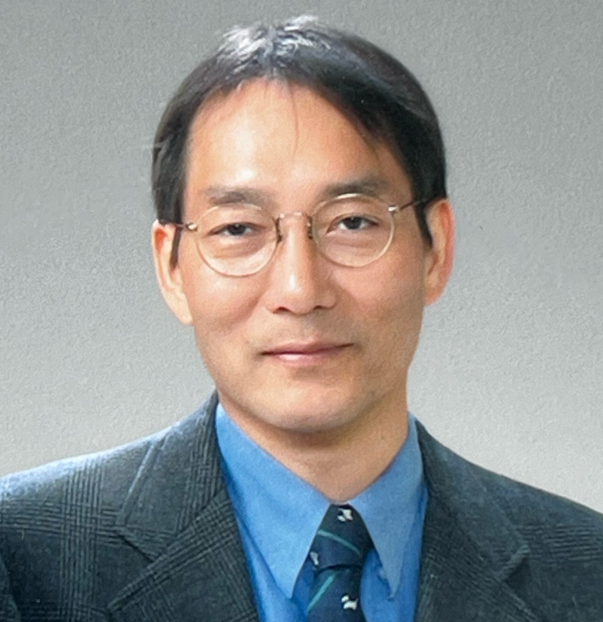
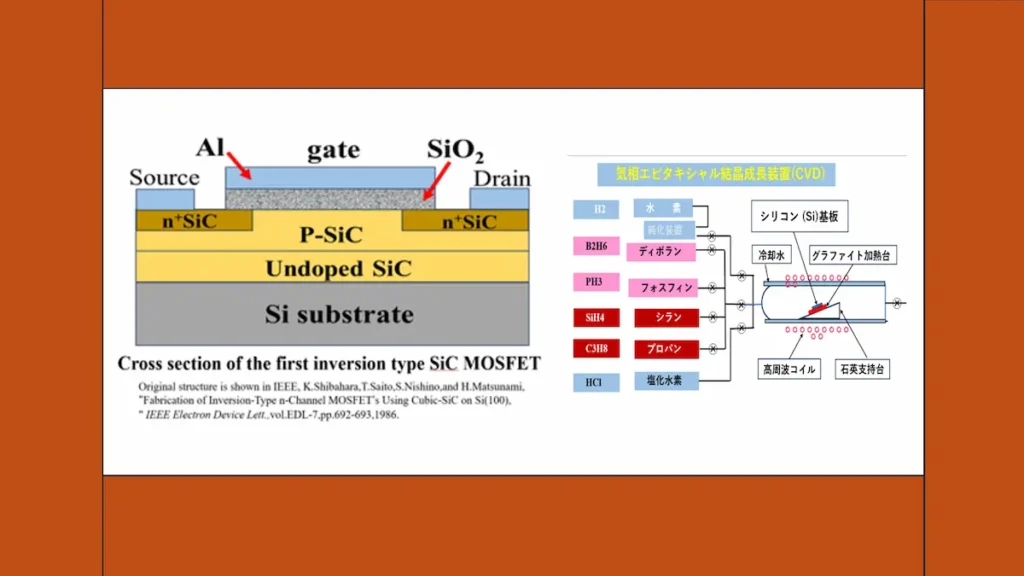
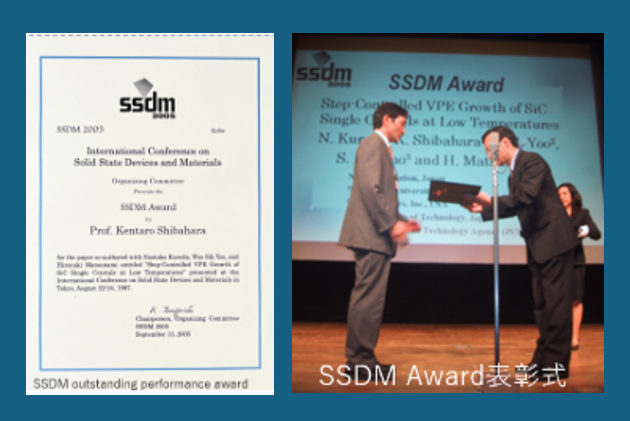
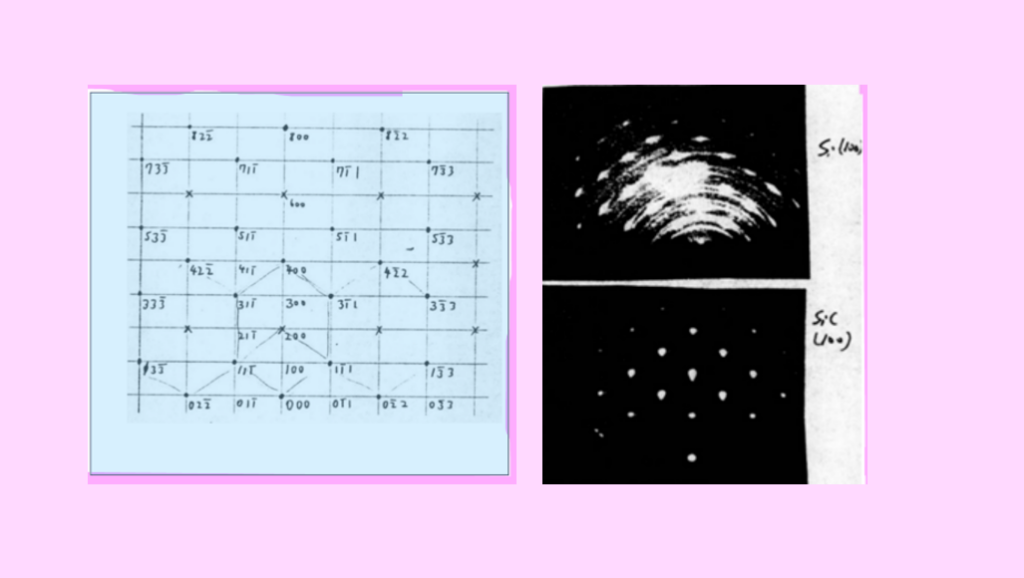
Dr. Kentaro Shibahara was a researcher specializing in semiconductor physics, semiconductor devices, and semiconductor process technologies. During his graduate studies at Kyoto University, he engaged in research on SiC semiconductors1 and successfully fabricated and demonstrated the world’s first inversion-type SiC-MOSFET2. He also developed step-controlled epitaxy3, for which he received the SSDM Award4.
After engaging in the research and development of highly integrated DRAMs at NEC5, he conducted research primarily in silicon semiconductor device physics and advanced scaling process technologies at Hiroshima University6. Concurrently, he served in leading roles in major international conferences—including IEDM, the Symposium on VLSI Technology, and SSDM, where he held key positions such as Subcommittee Chair.7 Through both these research activities and academic service, he played a leading role in the field and contributed to its advancement. In recognition of these significant contributions, a tribute to his memory was observed during the opening ceremony of the 2011 Symposium on VLSI Technology following his passing.8
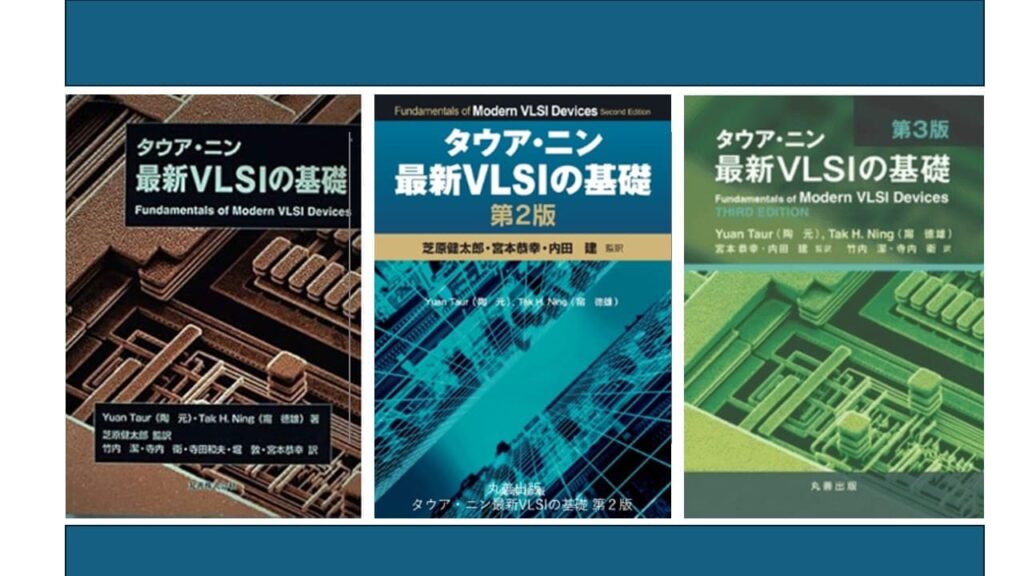
He also contributed to education by supervising the Japanese translation of the standard textbook on advanced CMOS devices, Fundamentals of Modern VLSI Devices9 by Taur and Ning.
Teaching and Research Supervision at Hiroshima University
Courses Taught
Undergraduate: “Logic System Design” Graduate: “LSI Integration Engineering” and “Integrated Circuit and Process Laboratory”
Research and Degree Supervision
Dr. Shibahara supervised undergraduate thesis research as well as master’s and doctoral research10. He also supervised doctoral research by engineers and researchers from industry11.
Supervision of a Textbook Translation
He supervised the Japanese translation of Fundamentals of Modern VLSI Devices by Taur and Ning (see Note 9).
Education and Professional Experience
1960 Born in Kobe, Japan 1985 Master’s Degree, Graduate School of Engineering, Kyoto University 1988 Ph.D. in Engineering, Graduate School of Engineering, Kyoto University
Feb 1988 – Jan 1995 NEC Corporation, Japan
Feb 1995 – Apr 2011 Associate Professor, Hiroshima University Research Center for Integrated Systems (from February 1995) Research Center for Nanodevices and Systems (Nanodevice Research Institute) (from May 1995) Research Institute for Nanodevice and Bio Systems (RNBS) (from May 2008) (currently Research Institute for Semiconductor Engineering (RICE))
April 21, 2011 Passed away (Memorial tribute at the 2011 VLSI Symposium opening)12
SiC (Silicon Carbide): A wide-bandgap semiconductor used in high-power and high-temperature electronic devices. Today, SiC power devices are widely used in applications such as electric vehicles, power conversion systems, renewable-energy systems, industrial equipment, and data centers. ↩︎
World’s First Inversion-Type SiC MOSFET: In 1986, Kentaro Shibahara and his colleagues reported the world’s first fabrication and operational demonstration of an inversion-type SiC MOSFET in IEEE Electron Device Letters. This work represents an early milestone in the development of SiC electronic devices. [→ World’s First Inversion-Type SiC MOSFET] ↩︎
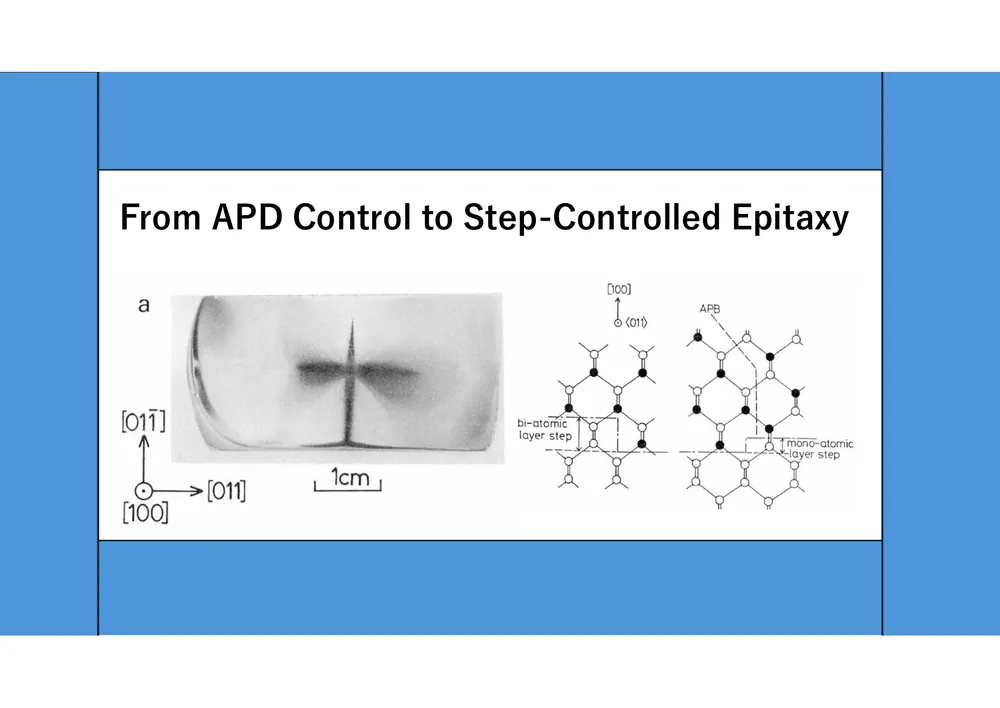
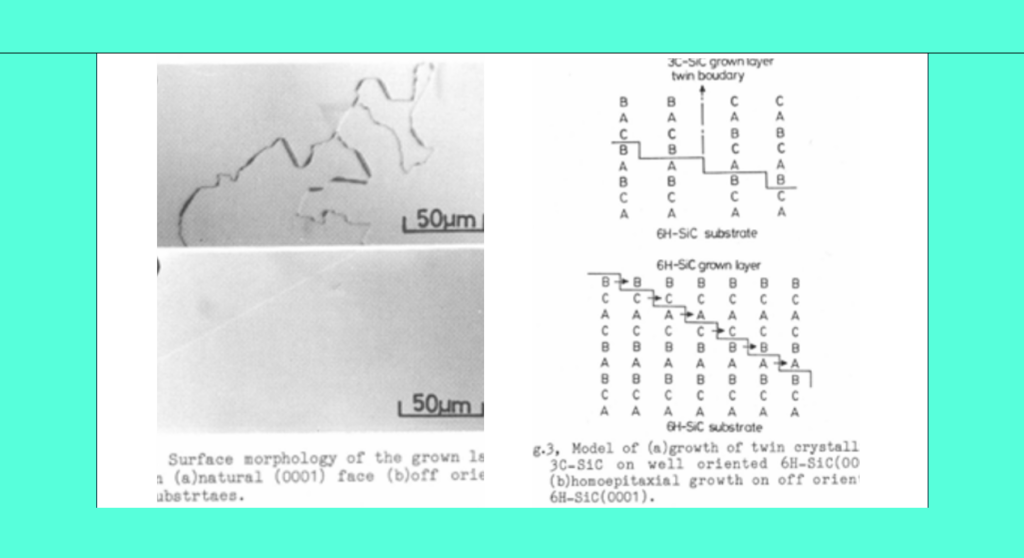
Step-Controlled Epitaxy: A crystal-growth technique that uses atomic steps on an off-oriented SiC substrate to control epitaxial growth. It enabled high-quality homoepitaxial SiC layers and became a fundamental technology for the development of SiC power devices. ↩︎
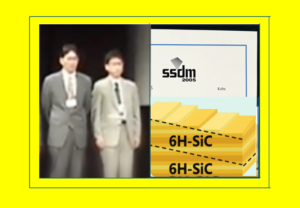
SSDM Award 2005: The 1987 work on step-controlled epitaxy was recognized with the SSDM Award in 2005. The five award recipients were Naotaka Kuroda, Kentaro Shibahara, Woosik Yoo, Shigehiro Nishino, and Hiroyuki Matsunami. [→ Step-Controlled Epitaxy and the SSDM Award] ↩︎
Research at NEC (1988–1995): Shibahara worked on the research and development of GaAs devices for integrated circuits and on process integration for very-high-density DRAMs at NEC. [→ IEEE Biography] ↩︎
Research at Hiroshima University: After joining Hiroshima University in 1995, Shibahara focused primarily on silicon semiconductor research, including process and device technologies for nanoscale MOSFETs. [→ IEEE Biography] ↩︎
International Conference Activities: Shibahara served on the program committees of major international semiconductor conferences, including IEDM, the Symposium on VLSI Technology, and SSDM. At SSDM, he served as Chair of the CMOS Devices / Device Physics Subcommittee. [→ Professional Activities] ↩︎
Tribute at the 2011 Symposium on VLSI Technology: During the opening ceremony of the 2011 Symposium on VLSI Technology in Kyoto, Symposium Chair Masaaki Niwa displayed a large photograph of Dr. Shibahara on the screen, referred to his role in the symposium, and then spoke about his background and research activities before inviting the participants to stand for a moment of silence in his memory. The editor of this website was present at the ceremony. ↩︎
Japanese Edition of Fundamentals of Modern VLSI Devices: Dr. Shibahara supervised the Japanese translation of the book, published in Japan as Taua-Nin Saishin VLSI no Kiso. [→ Japanese Edition] [→ Translation Story] ↩︎
Research and Degree Supervision: Hiroshima University records confirm Dr. Shibahara’s involvement as a supervisor or co-supervisor of master’s research from 2008 to 2010. Research topics included high-k gate stacks, ion implantation into Ge, and advanced gate-stack structures. ↩︎
Doctoral Supervision of Researchers from Industry: In the late 2000s, Dr. Shibahara supervised the doctoral research of engineers and researchers from industry, including Tomohiro Yamashita (2008), Yoji Kawasaki (2012), and Yukio Nishida (2015). Their doctoral research addressed topics closely related to Shibahara’s own work, including Ni fully silicided gate technology, boron cluster ion implantation for pMOSFETs, and threshold-voltage behavior in metal-gate transistors. Shortly before his death, while hospitalized, Dr. Shibahara explained the progress of the doctoral research to Professor Shin Yokoyama and entrusted him with its continued supervision. ↩︎
April 21, 2011 Passed away (Memorial tribute at the 2011 VLSI Symposium opening; see Note 8) ↩︎